
Table of Contents
- How disposable camera developing works
- Mail-in labs: national options
- Local labs by city
- Cost comparison table
- How to choose the right lab
- What you receive from the lab
- Common developing mistakes to avoid
- Developing multiple cameras at once
- Frequently Asked Questions
- Ready to develop your film?
If you've just shot your first disposable camera, or collected a box of them after a wedding or event, knowing where to develop disposable cameras in Australia is your next practical question. This guide covers every realistic option: mail-in labs that accept film from anywhere in the country, drop-off labs in Sydney, Melbourne, Brisbane, Perth, and Adelaide, what the process costs in AUD, and how to choose the right option for your situation. No expired information; this is updated for 2026.
The colours you get back from a well-developed roll of film are genuinely worth the wait.
How Disposable Camera Developing Works
Disposable cameras sold in Australia (Kodak Funsaver, Fujifilm Quicksnap Flash 400, CAMDI cameras, and most others) all use standard C-41 colour negative film. This is the most widely supported process at labs across the country. You do not need to request anything special: just ask for C-41 colour developing when you drop off or post your camera.
Here is the sequence from camera to finished images:
- You hand over or post the whole camera. The lab technician opens the camera in the darkroom, removes the film canister, and develops it using C-41 chemistry.
- The lab develops the film. This is a temperature-sensitive chemical process run at precisely 38°C. The complete C-41 cycle, developer, bleach, fixer, wash, and stabiliser, typically takes around 20 minutes in a correctly calibrated minilab machine.
- The negatives are scanned. Most modern labs scan the developed negatives on a flatbed or dedicated film scanner, producing digital files. Resolution varies: standard scans suit sharing and social media; high-resolution scans are better for large prints.
- You receive your files. Labs deliver scans via email download link, USB, or sometimes a private online gallery.
Most labs also return the developed negatives in a strip sleeve. These are your original film negatives. Keep them if the images matter, as they can be rescanned at higher resolution later.
The process is the same whether you walk into a lab or post your camera. The only difference is turnaround time.
Mail-In Labs: National Options
Mail-in labs accept film from anywhere in Australia, which makes them the default option for most shooters outside major CBDs. You pack your camera in a padded envelope, post it to the lab, and receive scans via email. Here are the most-used options.
Hillvale (Brunswick, Melbourne)
Hillvale in Brunswick is one of Australia's most established film labs and ships to every state. Their C-41 colour develop plus standard digital scan is approximately $19 AUD. Negatives-only develop runs around $12 AUD. Turnaround is typically three to five business days once they receive your camera, which is fast for a mail-in service. The quality of their scans and the consistency of their colour is well-regarded by Australian film shooters.
Website: hillvale.com.au
Irohas Photo (Melbourne, Sydney, Perth)
Irohas Photo is CAMDI's developing partner and operates labs in multiple cities. Mail-in is available from anywhere in Australia. They handle C-41 colour, and their scanning workflow is designed around the cameras CAMDI sells. If you purchased your cameras through CAMDI, using Irohas Photo for developing is a natural fit, as the processing is calibrated for the same film stocks. Turnaround and pricing: contact via irohasphoto.com.au.
FilmNeverDie (Melbourne)
FilmNeverDie operates out of Melbourne and accepts mail-in nationally. C-41 develop-only (negatives, no scan) starts at approximately $12 AUD; develop plus low-resolution scan is approximately $13.50 AUD; develop plus high-resolution scan (their most popular option) is approximately $20 AUD. They have a reputation for reliable, no-fuss processing that suits disposable camera volumes well.
Do Film! Lab (Darlinghurst, Sydney)
Do Film! Lab is one of Sydney's most active labs and accepts mail-in from other states. C-41 develop starts at approximately $12 AUD, with scans priced separately. They are a good option for Sydney-based shooters who also want drop-off convenience.
The Film Collaborative (online)
The Film Collaborative connects Australian shooters with labs based on location and turnaround requirements. Useful if you want to compare options across labs without researching each individually.
Local Labs by City
Drop-off labs let you avoid postal delays and, in some cases, offer same-day or express turnaround. Here are the most reliable options in each capital city.
Sydney
Do Film! Lab: 257 Crown Street, Darlinghurst. Drop-off available. C-41 develop from approximately $12 AUD. Scans priced separately. Convenient for inner-city Sydney.
Rewind Photo Lab: An active Sydney lab offering C-41 developing and scanning; check their website for current address and pricing.
Fullers Photographics: An older Sydney lab that has handled large volumes of film developing and accepts disposable cameras for C-41. Check current status via their website.
Melbourne
Hillvale: 43-45 Edward Street, Brunswick. In-person drop-off and mail-in. The most-used lab by Melbourne film shooters. C-41 develop plus standard scan approximately $19 AUD.
FilmNeverDie: Melbourne-based; check their website for current drop-off location details.
Ikigai Film Lab: An active Melbourne lab offering C-41 processing; check their website for current address, pricing, and turnaround times.
Cameras Direct: Also offers C-41 processing in Melbourne; good for volume orders.
Brisbane
Camera House Loganholme: Hyperdome Shopping Centre. The only lab in the Logan area offering a 1-hour express turnaround for C-41 developing, and one of the fastest in the greater Brisbane region. Approximate pricing: $14.95 develop-only, $19.95 develop plus scan to email, $24.95 develop plus print plus scan. A small express surcharge applies to the 1-hour service; confirm the current amount in-store. For post-event processing where speed matters, this is the standout option in the south-east Brisbane corridor.
Your Local Film Lab: West End. C-41 and black-and-white; developing and scanning with no in-house printing. A slower turnaround (several days) but well-regarded for colour accuracy.
Fotofast: 200 Moggill Road, Taringa. In-house C-41 with same-day developing. Has operated since 1990 and is a reliable choice for straightforward disposable camera processing.
Perth
Camera Electronic: 230 Stirling Street, Perth. One of Western Australia's most established camera retailers; offers C-41 film developing. Worth confirming current pricing and turnaround directly.
The Little Film Co: Perth-based; offers C-41 processing and scanning; popular with WA film shooters.
Irohas Photo: Also has a Perth presence; suitable for customers who have ordered cameras through CAMDI.
Adelaide
Adelaide Photo Factory: A trusted South Australian lab for C-41 processing with a solid local reputation. Accepts disposable cameras.
CameraHouse Adelaide: Offers film developing services; check current availability as service levels can vary by location.
Canberra
Photo Access: In the ACT, Photo Access (Griffith/Manuka Arts Centre) is a community arts centre with a darkroom and film lab. They offer B&W film developing for members; C-41 colour processing is available only by arrangement when demand is sufficient. Contact them before sending colour film.
Cost Comparison Table
All prices are approximate AUD as of mid-2026, sourced from publicly listed lab pricing. Always confirm current pricing directly with the lab before sending film, as rates are updated regularly.
| Lab | Location | Develop only | Develop + standard scan | Turnaround | Mail-in |
|---|---|---|---|---|---|
| Hillvale | Brunswick, Melbourne | ~$12 | ~$19 | 3–5 business days | Yes |
| Irohas Photo | Melb / Syd / Perth | $11 | $17 | same day | Yes |
| FilmNeverDie | Melbourne | ~$12 | ~$13.50 (low-res) / ~$20 (high-res) | Contact lab | Yes |
| Do Film! Lab | Sydney (Darlinghurst) | ~$12 | Contact lab (separate) | Contact lab | Yes |
| Camera House Loganholme | Logan / Brisbane region | ~$14.95 | ~$19.95 | standard | No |
| Camera Electronic | Perth | Contact lab | Contact lab | Contact lab | No |
| Adelaide Photo Factory | Adelaide | Contact lab | Contact lab | Contact lab | No |
| CAMDI develop & scan | National (via /pages/disposable-camera-developing) | N/A | Contact | Contact | Yes |
Note: Develop-only means the lab processes your negatives but does not produce digital scans. You receive the negatives in a strip sleeve. You can take these to any lab or use a home film scanner to digitise them yourself later. Most people order develop plus scan to receive digital files directly.
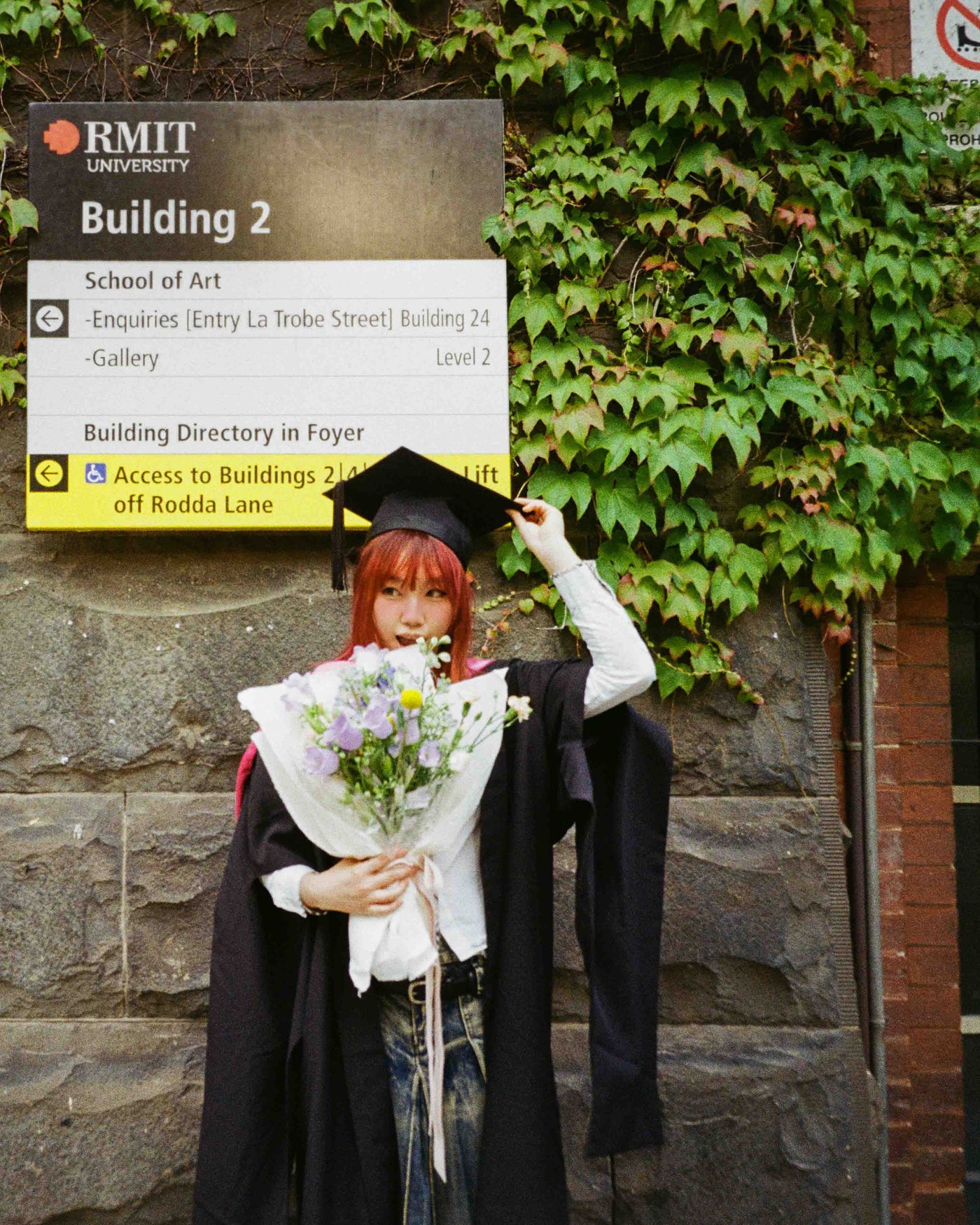 Good developing and scanning makes a significant difference to the final look of your film photos.
How to Choose the Right Lab
With so many options, the right lab depends on a few factors.
Speed. If you've just collected cameras from a wedding and want photos before the week is out, Camera House Loganholme (Logan/Brisbane region) or a same-day Melbourne lab is the practical answer. For most other situations, a two-to-five-day mail-in turnaround is acceptable.
Location. If you're in a capital city with a quality local lab nearby, drop-off saves postal time and removes the risk of film being lost in transit (rare, but possible). If you're regional, mail-in is the clear choice.
Volume. Developing a single disposable camera is priced per roll at all labs listed above. For multiple cameras from an event, some labs offer bulk or per-roll discounts for larger orders. Ask directly when sending five or more rolls at once.
Scan quality. Standard scans are fine for sharing on a phone or uploading to social media. If you want to print at A4 or larger, request high-resolution scans. Not all labs offer this. Check before you send.
Integration with your camera purchase. If you bought cameras through CAMDI, using the CAMDI develop and scan service or their partner Irohas Photo keeps the whole process in one place. The film stocks in CAMDI cameras are specifically paired with Irohas Photo's processing profiles.
For a full breakdown of what developing costs across Australia, the disposable camera developing cost Australia guide has detailed pricing by city and service tier.
What You Receive from the Lab
Understanding what you get back helps you order the right service upfront.
Developed negatives: The physical film strip, usually returned in a plastic sleeve. These are your originals. Store them flat, away from heat and moisture. They can be rescanned at any time.
Standard digital scans: JPEG files, typically ranging from around 2,000 to 5,500 pixels on the long edge depending on the lab and scanner, sufficient for sharing online and printing up to A4 at good quality at the higher end. Check with your specific lab for their exact scan dimensions.
High-resolution scans: Larger TIFF or high-quality JPEG files, usually from a dedicated film scanner. Suitable for printing at A4 or beyond. Priced as an add-on at most labs; not all labs offer this for disposable cameras.
Prints: Physical prints from the lab's minilab printer. Most labs include a standard 4x6 print set as an add-on. Some, like Camera House Loganholme, include prints in their highest-tier service.
Most people developing disposable cameras want develop plus standard scan as their baseline service. This gives you digital files you can share, store, and reprint from without paying for physical prints you may not need.
Common Developing Mistakes to Avoid
A few errors account for most preventable disappointments.
Opening the camera before dropping it at a lab. Disposable cameras are not designed to be opened in daylight. Opening the back exposes the film and destroys the images. Hand the whole camera to the lab intact.
Using the wrong chemistry. All major disposable cameras sold in Australia use colour negative (C-41) film. If a lab asks what type of film you have and you're not sure, say "colour disposable camera" and they will know it is C-41. E-6 (slide/reversal) and black-and-white chemistry are different processes and will not produce correct results on colour C-41 film.
Leaving film in a hot car. Heat accelerates chemical changes in undeveloped film. A camera left in a glove box over an Australian summer can result in colour shifts, fogging, or loss of shadow detail. Develop promptly after an event, and keep cameras cool before developing.
Mailing film without padding. Compact padded envelopes work well. Bubble wrap a roll inside a small box if you're sending multiple cameras. Labs occasionally receive cameras damaged in transit when the packaging is too thin.
Waiting too long after the event. Film doesn't expire immediately after exposure, but latent image stability decreases over time, particularly in warm, humid conditions. Get cameras developed within a few weeks of an event for best results.
Carrying cameras through airport X-ray. Carry disposable cameras in your carry-on luggage, not checked baggage. Legacy X-ray carry-on scanners are generally safe for ISO 400 film, but modern CT scanners, increasingly common at Australian airports, can cause fogging even at ISO 400. Request a hand-check if in doubt.
For a broader introduction to what to expect from disposable camera photography, the disposable cameras 101 beginner's guide covers the whole process from shooting to receiving scans.
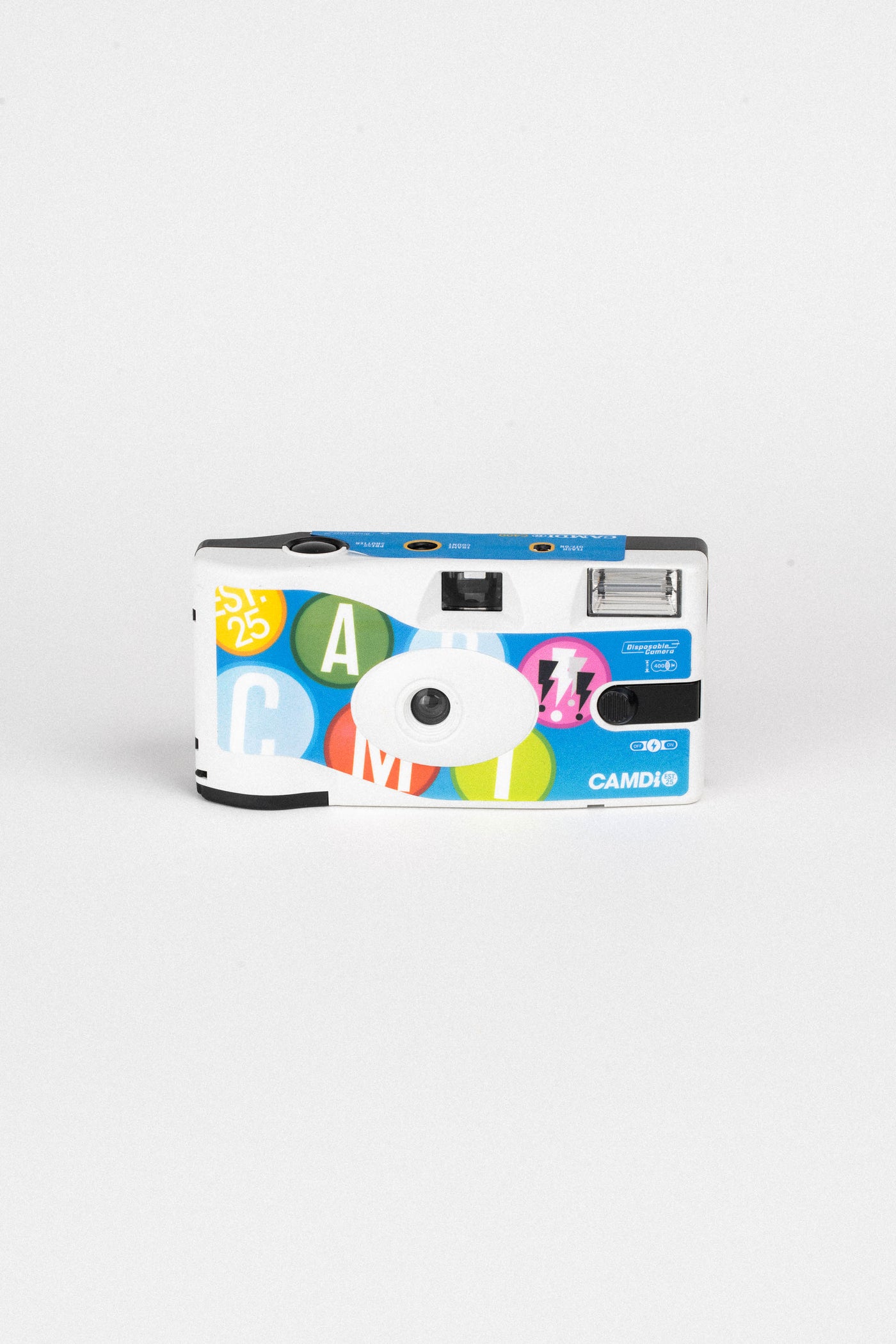 CAMDI cameras use colour negative film, processed with standard C-41 chemistry at any film lab in Australia.
Developing Multiple Cameras at Once
After a wedding, birthday, or corporate event, you may have anywhere from six to 20 cameras to develop at once. Here's how to handle volume efficiently.
Bundle and label. Keep cameras from the same event together in a clearly labelled bag or box. If some cameras are from different events or different shooting dates, separate them before sending so scans are returned grouped correctly.
Contact the lab first. For five rolls or more, it is worth calling or emailing the lab in advance. Some labs have a queue, and giving them a heads-up means they can schedule your order appropriately. Some offer bulk pricing at higher volumes, so it is worth asking.
Choose one lab per batch. Splitting a batch across two labs means two sets of scans to manage, potentially with different colour profiles. Using one lab for a whole event keeps the results consistent.
Mail tracking matters. If you're posting 12 cameras from a Brisbane wedding to a Melbourne lab, use Australia Post Registered or Express Post with tracking. Film is not insured by default, and a lost parcel means lost memories. The value of irreplaceable film negatives vastly exceeds any postage upgrade cost.
Allow processing time in your post-event timeline. If you want to share photos at the couple's first anniversary dinner three weeks after the wedding, factor in postage (two to three business days each way) plus lab turnaround (two to five business days). Total time from posting to receiving scans is typically one to two weeks.
For more on managing cameras and developing at a large event, the disposable camera hire Brisbane guide has a post-event workflow section specific to multi-camera collections.
Frequently Asked Questions
Where is the cheapest place to develop disposable cameras in Australia? Mail-in labs generally offer the lowest per-roll pricing. Do Film! Lab in Sydney offers C-41 develop from approximately $12 AUD before scanning costs. Hillvale in Brunswick charges approximately $19 AUD for develop plus standard scan, which is competitive when the scan is included. Develop-only services at any lab will be cheaper, but you will need to arrange scanning separately.
Can I develop a disposable camera at Officeworks or Big W in Australia? Neither Officeworks nor Big W currently process colour film in-store in Australia. Most chain retailers exited film processing services years ago. Your options are specialist film labs (listed above), some independently owned Camera House and Ted's Cameras locations, and mail-in services.
How long does it take to develop a disposable camera in Australia? Turnaround varies by lab and service tier. Camera House Loganholme offers a 1-hour express option for customers in the Logan and greater Brisbane area. Most Melbourne and Sydney labs operate on a two-to-five-business-day turnaround for mail-in orders. Add two to three business days in each direction for postal transit if you are mailing from interstate.
Is it safe to post disposable cameras in Australia? Yes, provided you package them correctly. Use a padded envelope or small box with bubble wrap, and use a postal service with tracking. Film is not a prohibited item by Australia Post. For airport transit, carry cameras in your carry-on luggage and request a hand-check if you are concerned about CT scanner exposure at Australian airports.
What format are my scans returned in from Australian labs? Most labs deliver standard scans as JPEG files via email download link or a private online gallery. High-resolution scans, where offered, are typically TIFF or large JPEG. If you want RAW digital negative files (DNG), check with the specific lab as this is less common and usually priced at a premium.
Can CAMDI help with developing cameras purchased through their store? Yes. CAMDI's develop and scan service is available for cameras purchased through the site. They partner with Irohas Photo (Melbourne, Sydney, Perth) for lab processing, with scanning profiles matched to the film stocks in CAMDI cameras. Visit the disposable camera developing page for current pricing, turnaround times, and mailing instructions.
Ready to Develop Your Film?
You've shot the roll. Now it's time to find out what's on it. Knowing where to develop disposable cameras in Australia narrows to a short list of reliable labs once you factor in your city, your turnaround needs, and your volume.
For most Australians, the simplest path is to use a mail-in lab you can trust: Hillvale or FilmNeverDie for Melbourne, Do Film! Lab for Sydney, or Irohas Photo if you purchased through CAMDI. Drop-off labs in Brisbane, Perth, and Adelaide give you the option of faster turnaround if you're local.
If you bought your cameras through CAMDI, the develop and scan service handles the whole process in one place, matched to the film stocks in CAMDI cameras. For costs broken down by city and service tier, the disposable camera developing cost Australia guide gives you a full price comparison before you commit.
Not sure which camera to use for your next event or shoot? The disposable cameras 101 beginner's guide covers everything from choosing a camera to understanding what you'll get back from the lab. And if you're thinking about making film a regular habit, the 35mm film types explained guide is a good next read for understanding your options.
Sources: Lab pricing cited as approximately current as of mid-2026 from publicly listed pricing on lab websites. All prices should be confirmed directly with the relevant lab before sending film. CAMDI developing service pricing via thecamdi.com.au. Irohas Photo pricing via irohasphoto.com.au.


