
Table of Contents
- Why take a disposable camera on your travels?
- Choosing the right disposable camera for travel
- Disposable vs reusable camera for travel: quick comparison
- Film stocks to pair with travel shooting
- Airport security and X-ray protection
- Shooting tips for better travel photos on film
- Getting film developed while travelling
- Developing your film back in Australia
- Packing your cameras and film safely
- Frequently Asked Questions
- Ready to pack a disposable camera for your next trip?
If you are planning to take a disposable camera for travel, you are already thinking about your holiday photography differently. The restraint of 27 or 36 exposures, the grain that softens harsh midday light into something more atmospheric, the anticipation of not seeing results until you are home: these qualities make film travel photos distinct from anything a phone produces.
This guide covers everything from choosing the right camera and film stock, to protecting your rolls through airport security, to getting them developed whether you are in Tokyo, Barcelona, or back in Melbourne. By the end you will know exactly what to pack, what to watch out for, and how to come home with a set of images worth keeping.
Why Take a Disposable Camera on Your Travels?
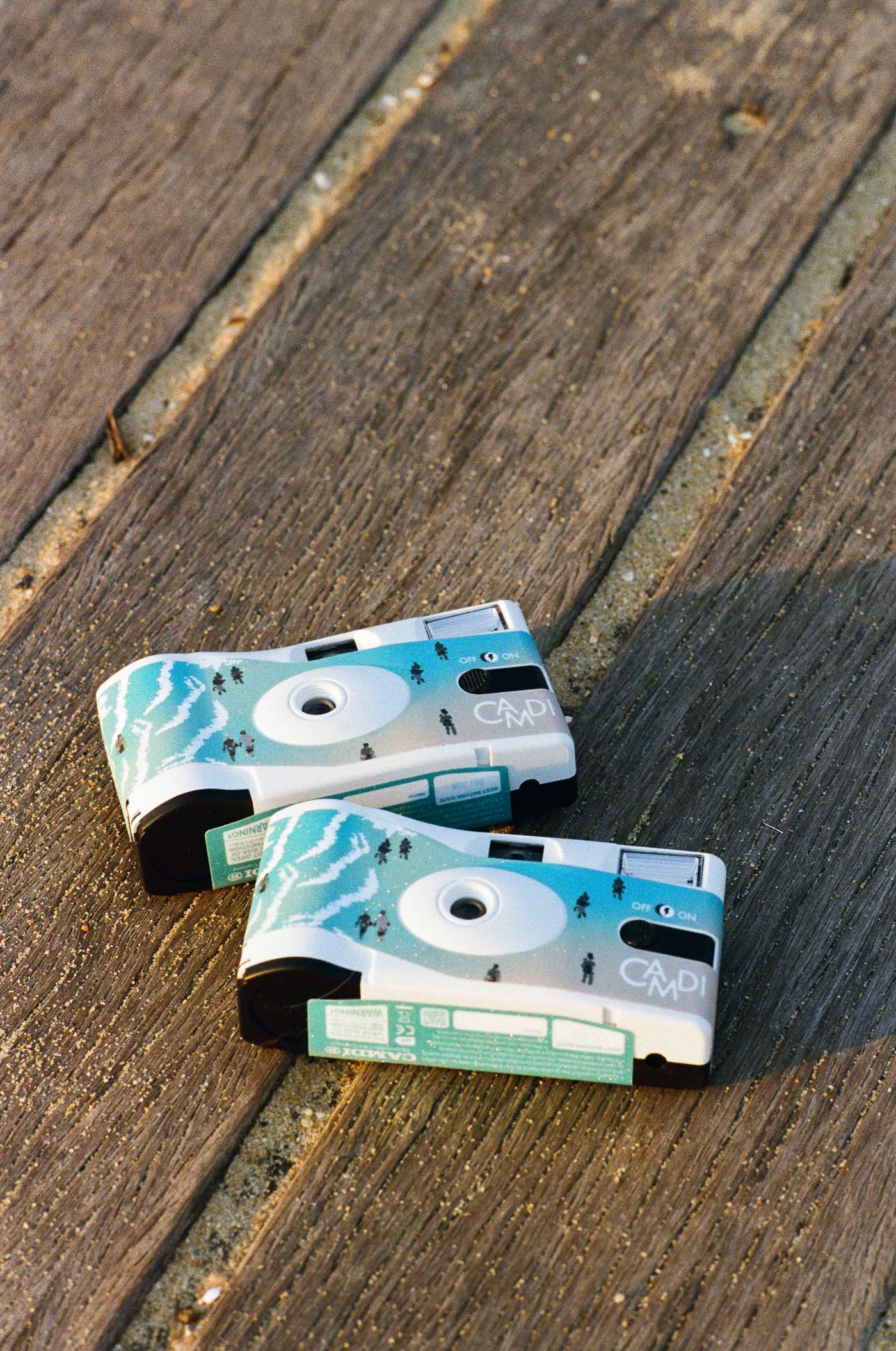 A disposable camera for travel forces you to be selective with every frame, which is part of what makes the results feel worth the wait.
Travel photography on film changes how you move through a place. With a finite number of frames, you slow down, notice light, and wait for the right moment rather than firing off 40 nearly identical shots in a row. The results reflect that deliberateness, even when individual photos are imperfect.
There are practical reasons too. A disposable camera is lighter than any dedicated camera system, costs far less than a mirrorless body and lens, and is far less stressful to carry through crowded markets, beaches, and overnight buses. If it gets stolen, lost, or dunked in the ocean, you are out $30 to $40, not $2,000.
The look is the other reason. Film grain, slightly shifted colours, the occasional light leak or soft focus: these qualities are the opposite of a problem. They are what makes a film travel photo feel like a memory rather than documentation.
New to film? Our guide to film photography for beginners in Australia covers everything you need to understand the basics before you go.
Choosing the Right Disposable Camera for Travel
Not all disposable cameras suit every travel context. The key specs to match to your destination are ISO sensitivity, exposure count, and flash capability.
ISO: the most important travel decision
ISO 400 is the standard choice for travel. It handles bright outdoor shooting (beaches, markets, cobblestone streets at noon) without overexposing, and it performs reasonably well indoors with flash. The Fujifilm Quicksnap Flash 400 and the CAMDI range are both ISO 400 cameras.
ISO 800 is the better choice if your travel involves nightlife, dark restaurants, indoor attractions, or evening street shooting. ISO 800 produces more grain, which many film shooters prefer, particularly for moody or atmospheric shots. The Kodak Funsaver shoots at ISO 800 and is widely available in Australia before you depart.
ISO 200 and below are not recommended for travel. These stocks are designed for controlled, bright light and struggle in the variable conditions most travel involves.
Exposure count: 27 vs 36
Most disposable cameras come loaded with 27 exposures. For longer trips where buying or developing film is not straightforward, consider pairing a disposable with a separate roll of 35mm film in a reusable camera. The CAMDI Lost in Tokyo 500 film is a 36-exposure colour negative option designed for exactly this kind of travel shooting.
Flash: essential for most travel
A built-in flash is non-negotiable for travel. It handles indoor galleries, low-light temple interiors, and evening bar scenes. Flash range on most disposables is 1 to 3 metres, so avoid pointing it at distant architecture expecting illumination. Use it close, on faces and details.
The waterproof option
If your travel includes snorkelling, reef swimming, kayaking, or a boat-heavy itinerary, the Fujifilm Quicksnap Waterproof (previously marketed as the Quicksnap Marine) is waterproof to around 10 metres and is the standard recommendation for water-focused travel. No other entry-level disposable comes close.
Disposable vs Reusable Camera for Travel
Many travellers face this question. The honest answer depends on how you travel and how much gear you want to manage.
| Feature | Disposable Camera | Reusable 35mm Camera |
|---|---|---|
| Upfront cost (AUD) | $27–$40 | $43–$65 (entry-level) |
| Cost per shot (ongoing) | ~$1.89 per shot every time | ~$1.00 from roll 2 onward |
| Film choice | Fixed (factory-loaded) | Any 35mm stock |
| Weight | ~100g | ~130–180g (body only) |
| Theft/loss risk | Very low cost to replace | Higher value to protect |
| Film loading overseas | Not applicable | Requires handling in dim light |
| Flash | Built-in | Built-in on most entry-level models |
| Water resistance | Marine model only | Not standard |
| Best for travel | Short trips, beach, backpacking, gifts | Extended travel, film experimenters |
For a first film trip, a one-off beach holiday, or any situation where simplicity and low stakes matter, a disposable camera for travel is the right call. For extended travel, choosing your own film stock and lower ongoing cost, a reusable camera earns its place in your bag.
More detail on this decision is in the reusable vs disposable film camera guide.
Film Stocks to Pair with Travel Shooting
If you carry a reusable camera on your trip as well as a disposable, choosing the right film stock is part of the travel planning. Different films suit different destinations.
CAMDI's Lost in Tokyo 500 is a fast colour-negative film that performs well in low-light travel environments, from night markets to dimly lit bars.
Kodak Ultramax 400 is the reliable all-rounder. It handles sunlit streets, markets, and outdoor portraits with natural-looking colour and manageable grain. A standard choice for Southeast Asia, Japan, and southern European travel.
Kodak ColorPlus 200 is a budget option that works well in consistently bright conditions. Appropriate for tropical destinations where light is strong all day, but it struggles indoors and in the shade.
CAMDI Lost in Tokyo 500 is a 500T tungsten-balanced colour-negative film available through CAMDI. The tungsten balance creates distinctive cool-to-warm colour shifts depending on the light source, making it particularly suited to night shooting, indoor scenes, and urban environments where mixed lighting adds character. At ISO 500, it is fast enough to use without flash in many situations.
Kodak Portra 400 is a professional-grade emulsion known for its skin-tone rendering. If travel portraits are important to you, Portra is worth the higher per-roll price.
For a full breakdown of 35mm film types and what to expect from each, see our guide to 35mm film types explained.
Airport Security and X-Ray Protection
This is the question most film travellers ask first, and the answer matters more now than it did five years ago.
The short answer
Hand-carry all film. Request a manual inspection at airport security. Never check film in hold luggage.
The longer explanation
Airport X-ray machines come in two types: standard cabinet scanners (used for carry-on bags at most security checkpoints) and CT scanners (newer, increasingly common at major hubs, particularly in the US, EU, and Australia).
Standard cabinet scanners at most airports are generally safe for a single pass for films up to ISO 800. However, the newer CT scanners operate at significantly higher radiation doses and can damage film stocks at any ISO after a single pass, including ISO 100 and below.
The problem is that you often cannot tell which scanner type is in use at a given security lane.
The safest approach:
- Place all film (exposed and unexposed) in a clear ziplock bag
- Take it out of your bag before sending luggage through the scanner
- Request a manual hand inspection from security staff
- At most airports, TSA-equivalent staff will comply, though some busy checkpoints push back; be politely persistent
What to pack film in: A lead-lined film bag (available from Australian camera retailers and online; the Domke Filmguard range starts from around $75 AUD) provides additional protection if you are concerned about scanner exposure. These are not a substitute for requesting manual inspection, but they are a useful secondary measure.
Film in checked luggage: CT scanners used for hold baggage operate at substantially higher radiation than carry-on scanners and will damage film. Never pack exposed film in checked baggage. This is non-negotiable.
Shooting Tips for Better Travel Photos on Film
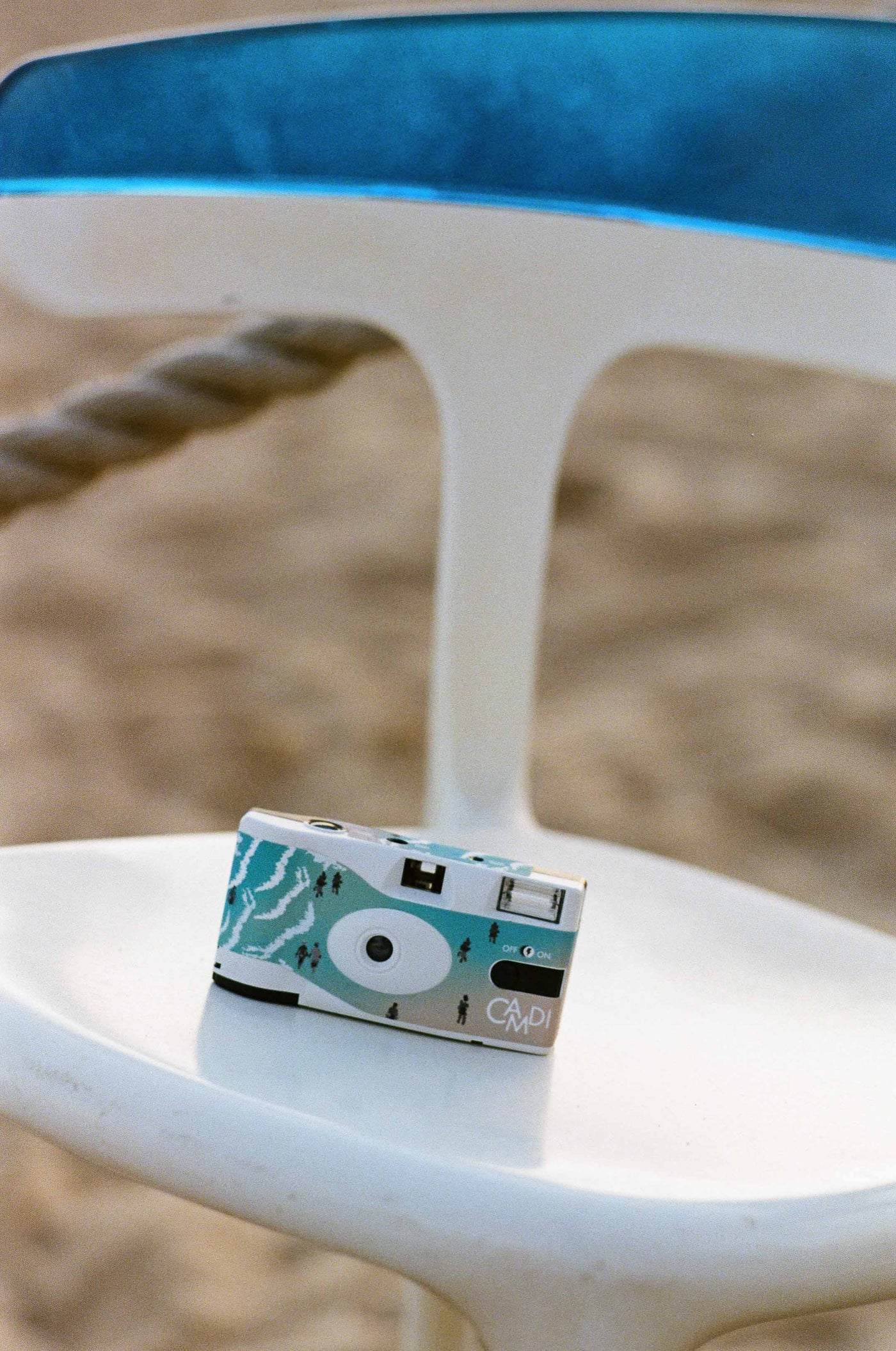 Coastal light suits disposable cameras particularly well. ISO 400 in bright midday sun will produce well-exposed, saturated results like this.
Film is less forgiving than digital, and travel often means you cannot reshoot a missed frame. These habits make a real difference.
Shoot in good light. The single biggest predictor of film quality is the quality of light, not the camera. The golden hour after sunrise and before sunset produces warmer, softer light that suits colour-negative film beautifully. Harsh midday sun still works, but the contrast is harder to manage.
Get closer. Most disposable cameras have a fixed minimum focus distance of around 1 metre. Subjects closer than that will be out of focus. A common travel mistake is photographing local people or market stalls from across the street; get close, ask permission where appropriate, and fill the frame.
Use the flash in daylight. Fill flash outdoors is underused on disposable cameras. On a bright day, a subject in shade or backlit against a bright sky will be underexposed without flash. Flick the flash on for portraits in difficult light, even outside.
Keep a shooting log. Jotting down the date, location, and approximate conditions for each roll helps enormously when you are reviewing photos weeks later. A small notebook or a notes app entry per roll is enough.
Protect cameras from heat. Car dashboards, the bottom of a beach bag under direct sun, and overhead bins on long flights can all expose cameras and film to heat that degrades the emulsion. Store cameras in a side pocket or small bag kept in the shade.
Getting Film Developed While Travelling
You have two main options: develop at your destination, or bring exposed rolls home.
Developing abroad
C-41 colour-negative film processing is genuinely global. Major cities in Japan, Europe, the UK, North America, and much of Southeast Asia have reliable film labs with fast turnaround. A few worth knowing:
Japan: Japan is arguably the best country in the world to develop film as a traveller. Labs in Tokyo, Kyoto, and Osaka are fast, affordable, and technically excellent. Yodobashi Camera and Bic Camera chains have in-house labs in most major cities with same-day or one-hour processing available. Cost is typically ¥850 to ¥1,800 per roll for develop and scan (prices as of 2026).
United Kingdom: Snappy Snaps (nationwide) and independent labs in London and Manchester offer reliable C-41 processing. Expect 24- to 48-hour turnaround, with develop-and-scan pricing ranging from around £9 at budget labs to £18 or more at premium labs (prices as of 2026).
Europe: Most major European cities have at least one dedicated film lab. Paris has several well-regarded options including Négatif+ and Nation Photo. Berlin's film community is strong. Prices vary widely; €8 to €18 is typical for develop and scan (prices as of 2026).
Southeast Asia: Developing in Bangkok, Hanoi, Ho Chi Minh City, and Singapore is affordable, though quality control varies between labs. Research specific labs before committing a roll.
Bringing film home to Australia
Bringing all exposed rolls home is often the better choice for short trips. Develop through a trusted Australian lab you already know. The advantage is consistency: you know exactly what quality to expect, and you avoid the risk of a mediocre lab handling irreplaceable holiday photos.
Film does not expire immediately after exposure. A roll shot on day one of a three-week trip is still fine to develop several weeks later, provided you store it away from heat and moisture.
Developing Your Film Back in Australia
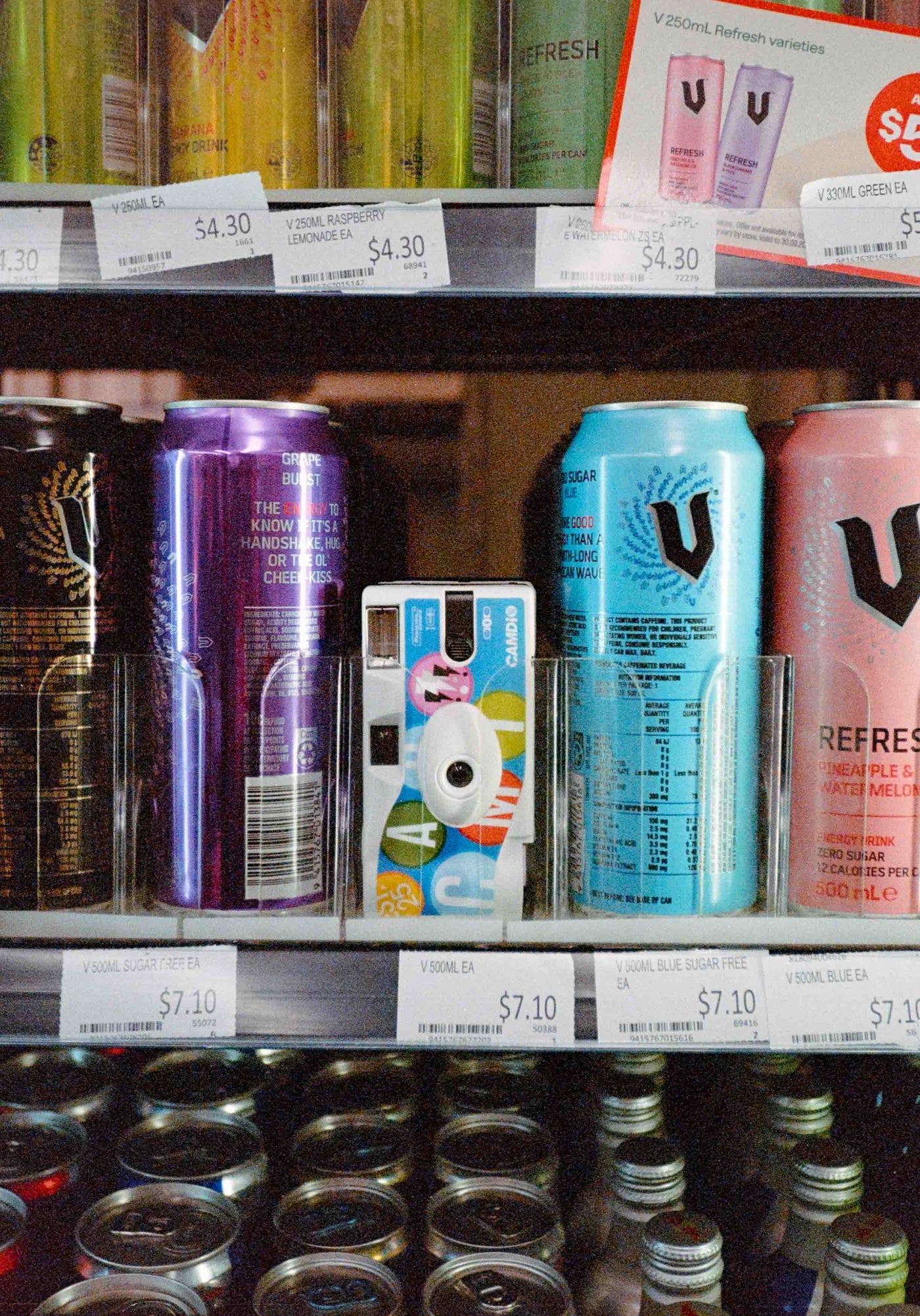 Developed back in Australia, your travel rolls will carry the warmth and grain that makes film holiday photos distinctive.
Once you are home, Australia has several solid options for C-41 colour-negative developing and scanning.
Hillvale (Melbourne): One of Australia's most-used mail-in film labs. C-41 colour develop plus standard scan is approximately $19 AUD. Mail-in available nationally with typical turnaround of two to five business days.
Do Film! Lab (Darlinghurst, Sydney): Popular with Sydney-based film shooters. Develop only from $12 AUD; develop + standard scan from $19 AUD.
FilmNeverDie (Melbourne): Mail-in accepted. Develop only from $12 per roll; develop + low-res scan from $13.50 per roll.
Irohas Photo (Melbourne, Sydney, Perth): CAMDI's developing partner, available for mail-in from anywhere in Australia. A convenient option if you have ordered CAMDI cameras or film.
CAMDI also offers a develop and scan service that handles developing, scanning, and digital delivery in one step.
Packing Your Cameras and Film Safely
A few practical notes on getting your gear through a trip intact.
How many cameras to bring: For a one-week trip, two to three disposable cameras (54 to 81 frames) is typically enough for a considered travel shooter. Some people bring five or six for a longer trip; others prefer one or two reusable cameras with several rolls of film.
Storage during the trip: Keep cameras and unexposed film away from direct sun, heat, and humidity. A sealable bag inside your day pack works well. A small dry bag is useful in tropical climates.
Carrying through security: As covered above, always carry film in your hand luggage and request manual inspection. A clear ziplock bag makes the process faster. Bring this as part of your standard pre-flight checklist, not as an afterthought at the security lane.
Labelling exposed rolls: Mark exposed rolls clearly once they are done. A piece of masking tape with "EX" written on it is enough. This prevents the common mistake of double-exposing or developing a roll you thought was fresh.
The CAMDI Campfire Nights camera is worth mentioning here. Designed for low-light and warm-toned shooting, the Campfire Nights camera suits travel that involves evening settings, warm-lit interiors, or outdoor evenings at your destination.
Frequently Asked Questions
Is a disposable camera worth taking on a trip?
Yes, particularly for travellers who want a different photographic experience than their phone provides. A disposable camera for travel forces intentional shooting, produces a distinctive film look, and is cheap enough that loss or damage is not a major setback. Many film photographers carry one disposable alongside a reusable camera as a backup or for specific situations.
What ISO disposable camera should I use for travel?
ISO 400 is the standard travel recommendation and handles most conditions including outdoor shooting, indoor flash photography, and moderate shade. ISO 800 (Kodak Funsaver) is better for nightlife, dark interiors, and evening street shooting where flash is not appropriate. Avoid ISO 200 or below unless your entire trip will be in consistent, bright tropical light.
Will airport X-ray machines ruin my film?
Carry-on CT scanners at modern airports can damage film at any ISO. Request a manual hand inspection at all security checkpoints, carry film in a clear ziplock bag, and never put exposed film in checked luggage. This applies to both disposable camera rolls and loose 35mm film.
Can I develop film abroad or should I bring it home?
Both options work. Japan, the UK, and most of Western Europe have reliable C-41 labs with fast turnaround. Southeast Asia labs vary in quality, so research specific labs before using them. Bringing film home and developing through a trusted Australian lab is the lower-risk option for irreplaceable travel rolls.
How many disposable cameras should I bring on a trip?
Two to three cameras (54 to 81 frames) is typical for a one-week trip at a moderate shooting pace. For a two-week trip, four to five cameras, or two to three disposables plus a reusable camera with multiple rolls of film. It is better to bring one extra camera than to run out in the middle of a significant travel moment.
What is the best CAMDI product for travel photography?
The Coast is CAMDI's disposable 35mm camera, compact and purpose-built for travel shooting. For film stock, Lost in Tokyo 500 is a 36-exposure 500T film well-suited to urban and low-light destinations. The Campfire Nights disposable is a strong option for evening and warm-lit travel settings.
Ready to Pack a Disposable Camera for Your Next Trip?
A disposable camera for travel is one of the best additions to a travel kit that is easy to overlook. It is light, affordable, low-stakes, and produces images that no phone camera replicates.
If you are starting from scratch, The Coast by CAMDI is a well-designed disposable option for travellers who want a compact, purpose-built camera for coastal and travel shooting. For film to pair alongside a reusable camera, Lost in Tokyo 500 is a 500T colour-negative film designed specifically for mixed-light and nighttime travel shooting.
For a one-time trip, a festival, or anything where simplicity matters most, browse the CAMDI disposable range and pick the camera that fits your destination. Campfire Nights suits evening and warm-light destinations. The Coast suits beach and coastal travel.
When you return home, the CAMDI develop and scan service handles the next step. Two to five business days and your holiday exists on film, which is a different thing entirely from a photo album on your phone.
New to film photography? The film photography for beginners guide and our breakdown of 35mm film types explained are the best places to continue.
Sources and notes: Airport X-ray guidance based on general best-practice recommendations for film travellers; always verify current scanner types with your specific airports before travel. Film development pricing is current as of 2026 and should be confirmed directly with the relevant lab as prices change. CAMDI product references: thecamdi.com.au.


